

























Modern interiors and thebonrush-uk.co.uk elevate everyday living spaces beautifully

- Modern interiors and thebonrush-uk.co.uk elevate everyday living spaces beautifully
- Understanding Contemporary Interior Design Styles
- The Role of Lighting in Modern Interiors
- The Importance of Color and Texture
- Creating Cohesive Color Schemes
- Furniture Selection and Space Planning
- Optimizing Small Spaces
- Sustainable and Ethical Considerations in Interior Design
- The Future of Interior Design and Emerging Trends
Modern interiors and thebonrush-uk.co.uk elevate everyday living spaces beautifully
The pursuit of a beautifully designed and functionally optimized living space is a common aspiration. More than just aesthetics, modern interior design focuses on creating environments that enhance well-being, promote productivity, and reflect personal style. Finding the right resources to bring these visions to life can be challenging, but platforms like thebonrush-uk.co.uk aim to streamline the process, offering a curated selection of furniture, décor, and inspiration for creating the home of your dreams. The evolution of interior design has consistently reflected societal shifts, technological advancements, and a growing awareness of the importance of holistic living.
The modern approach to interiors often prioritizes simplicity, clean lines, and a connection to nature. This isn't just about following a trend; it’s about recognizing how our surroundings impact our mental and emotional states. A well-designed space should be a sanctuary—a place to recharge, connect with loved ones, and express individuality. Resources that combine high-quality products with expert advice, such as those found through online retailers, play a crucial role in helping individuals achieve this balance. The consideration of sustainable materials and ethical sourcing is also increasingly important to contemporary homeowners.
Understanding Contemporary Interior Design Styles
Contemporary interior design is characterized by its fluidity and adaptability, drawing inspiration from a wide range of influences. It's not a rigid set of rules, but rather a philosophy centered on creating spaces that feel fresh, inviting, and reflective of the homeowner’s personality. Key elements often include neutral color palettes, natural textures like wood and stone, and a focus on open-plan living. The incorporation of natural light is also paramount, with large windows and minimal window coverings maximizing daylight exposure. One of the defining features is the blending of form and function – every element should serve a purpose, while also contributing to the overall aesthetic appeal.
The Role of Lighting in Modern Interiors
Lighting is often underestimated, but it’s a vital component of any successful interior design scheme. Beyond simply illuminating a space, lighting can create ambiance, highlight architectural features, and influence mood. Layered lighting – combining ambient, task, and accent lighting – is a common technique used to achieve a versatile and functional lighting plan. Smart lighting systems are becoming increasingly popular, allowing homeowners to control the intensity and color of their lights remotely, and even schedule lighting changes based on time of day or activity. A thoughtfully designed lighting scheme significantly enhances the sense of spaciousness and warmth.
| Lighting Type | Function | Typical Fixtures |
|---|---|---|
| Ambient Lighting | Provides overall illumination | Recessed lighting, chandeliers, floor lamps |
| Task Lighting | Focuses light on specific areas for activities | Desk lamps, under-cabinet lighting, reading lights |
| Accent Lighting | Highlights features or artwork | Spotlights, wall sconces, picture lights |
Selecting the correct lighting fixtures and considering their placement requires careful planning, but the results are well worth the effort. Proper lighting isn't merely functional; it’s an artistic element that can dramatically transform a room. The choice of bulbs – LED, incandescent, or halogen – also plays a role, impacting both energy efficiency and the quality of light produced.
The Importance of Color and Texture
Color and texture work in harmony to create a visually appealing and emotionally resonant interior. Neutral color palettes, such as grays, whites, and beiges, are a staple of modern design, providing a calming backdrop for pops of color or textured accents. However, incorporating bolder colors – blues, greens, or even oranges – can inject personality and visual interest. Texture adds depth and dimension to a space, engaging the sense of touch as well as sight. Using a variety of materials, such as wood, metal, glass, and fabric, creates a rich and layered effect. The key is to achieve a balance between visual stimulation and restful calm.
Creating Cohesive Color Schemes
Developing a cohesive color scheme requires considering the existing architectural features of the space, as well as the desired mood and atmosphere. A common approach is to choose a primary color, a secondary color, and an accent color. The primary color should dominate the space, while the secondary color provides contrast and visual interest. The accent color is used sparingly to add pops of color and highlight specific elements. Understanding color theory – the relationships between different colors – can be incredibly helpful in creating a harmonious and balanced scheme. Online tools and color palettes can also offer inspiration, but ultimately, the best color scheme is one that reflects your personal style.
- Consider the existing light in the room – natural and artificial.
- Test paint colors in different areas of the room to see how they look at different times of day.
- Use a color wheel to find complementary or analogous color schemes.
- Don't be afraid to experiment with different textures and patterns.
Color has a powerful psychological impact, so it’s important to choose colors that evoke the desired emotions. For example, blues and greens are often associated with calmness and tranquility, while reds and oranges can be energizing and stimulating. The strategic use of color can dramatically alter the perceived size and shape of a space, making it feel more open or more intimate.
Furniture Selection and Space Planning
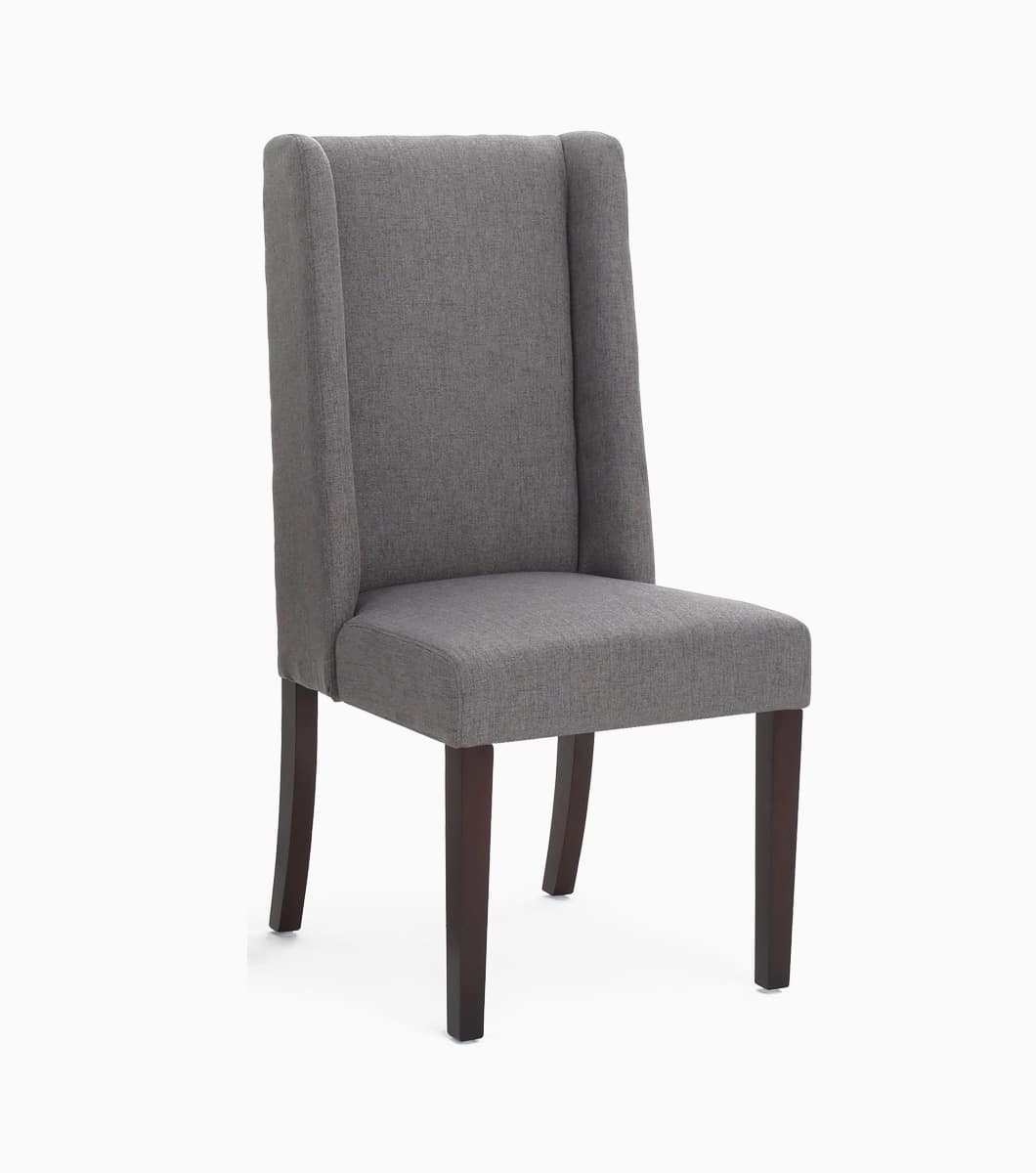
Furniture selection is crucial in defining the style and functionality of an interior space. In modern design, furniture pieces are often chosen for their clean lines, minimalist aesthetics, and emphasis on comfort. Prioritizing quality and durability is essential, as well-made furniture will last for years to come. Space planning is equally important, ensuring that furniture is arranged in a way that maximizes flow and functionality. Consider the scale of the furniture in relation to the size of the room, avoiding overcrowding or creating awkward gaps. Multifunctional furniture – such as sofa beds or storage ottomans – can be particularly useful in smaller spaces. Effective space planning transforms a house into a home.
Optimizing Small Spaces
Optimizing small spaces requires creativity and strategic design choices. Vertical storage solutions – such as bookshelves and wall-mounted cabinets – can maximize storage capacity without taking up valuable floor space. Mirrors can create the illusion of spaciousness, reflecting light and visually expanding the room. Light-colored walls and furniture can also help to make a small space feel more open and airy. Choosing furniture with clean lines and a minimalist aesthetic can prevent the space from feeling cluttered. Prioritizing functionality and avoiding unnecessary ornamentation are key principles for maximizing the potential of a small space. Resources like those available at thebonrush-uk.co.uk often provide solutions tailored to smaller living areas.
- Measure the space carefully before purchasing any furniture.
- Choose furniture with built-in storage.
- Utilize vertical space with bookshelves and wall-mounted cabinets.
- Use mirrors to create the illusion of spaciousness.
Careful consideration of scale and proportion is critical, ensuring that furniture doesn't overwhelm the space. A well-planned small space can be just as comfortable and stylish as a larger one, and often feels even more cozy and inviting.
Sustainable and Ethical Considerations in Interior Design
The growing awareness of environmental and social issues has led to a greater emphasis on sustainability and ethical considerations in interior design. Choosing eco-friendly materials – such as bamboo, reclaimed wood, or organic cotton – reduces the environmental impact of your design choices. Supporting brands that prioritize ethical labor practices and sustainable sourcing ensures that your purchases align with your values. Reducing waste through repurposing and upcycling is another important aspect of sustainable design. Investing in durable, long-lasting furniture minimizes the need for frequent replacements, further reducing your environmental footprint. This has become a core principle for forward-thinking designers.
The Future of Interior Design and Emerging Trends
The field of interior design is constantly evolving, driven by technological advancements, changing lifestyles, and a growing emphasis on personalization. Smart home technology is becoming increasingly integrated into interior spaces, allowing homeowners to control lighting, temperature, and security systems remotely. Biophilic design – incorporating natural elements into the interior environment – is another emerging trend, recognizing the positive impact of nature on well-being. The rise of virtual reality (VR) and augmented reality (AR) is also transforming the design process, allowing clients to visualize their spaces in immersive 3D environments. Ultimately, the future of interior design is about creating spaces that are not only beautiful and functional but also sustainable, healthy, and responsive to the needs of their occupants. Exploring platforms like thebonrush-uk.co.uk keeps you abreast of these developments.
These advancements aren't simply about aesthetics, but about forging a deeper connection between people and their environments. Future designs will likely prioritize adaptability and personalization—spaces that can evolve with the changing needs of their owners. This includes modular furniture, flexible layouts, and technology that anticipates and responds to user preferences. The focus will shift further towards creating personalized sanctuaries – spaces that prioritize well-being and foster a sense of calm and connection.